Korean corn dogs have gained popularity among street snack lovers globally. These crispy treats combine American classic with Asian culinary innovation. Can a ready-made cornmeal mix be used to create an Asian version?
This possibility exists, but it requires some recipe adjustments. The American cornmeal base serves as an excellent starting point for adaptation. Enriching the ready product with additional ingredients and employing the right breading technique determine success.
Using classic corn dog mix speeds up meal preparation while maintaining its authentic character. Understanding the differences between both culinary traditions is fundamental for proper adaptation. The combination of American convenience and Korean technique opens new culinary possibilities.
Differences Between Korean and American Corn Dog Preparation Methods
Both versions of corn dogs fundamentally differ in their approach to batter preparation and filling selection. The American tradition relies on a simple batter made from cornmeal that coats the hot dog. The Korean method introduces yeast, cheese, and an additional layer of panko breading.
Texture is the main difference between these styles. The American corn dog features a thick, cornmeal coating with a uniform structure. The Korean version offers a multi-layered composition: fluffy batter, crispy breading, and often potato pieces on the surface.
Ingredients for Yeast Batter Typical of the Korean Version
Korean batter requires a rising process, which distinguishes it from its American counterpart. Active yeast gives it fluffiness and lightness not found in traditional mixes. Fermentation time ranges from 45 minutes to an hour, allowing the batter to double in volume.
Basic ingredients for yeast batter:
- All-purpose flour (about 220-225 grams)
- Dried or fresh yeast (4-7 grams)
- Warm water or milk (200-240 milliliters)
- Sugar (15-45 grams)
- Salt (2-5 grams)
- Vegetable oil optional (30 milliliters)
The proportions of ingredients may vary depending on preferences regarding the sweetness of the batter. Some recipes add glutinous rice flour to increase elasticity. The temperature of liquids should not exceed 50 degrees Celsius to avoid killing the yeast.
The process of activating the yeast begins by combining it with warm water and sugar. After 5-10 minutes, a characteristic foam appears, indicating a proper reaction. Then flour and remaining ingredients are added, kneading until smooth dough forms.
The Use of Cornmeal Mix in American Tradition
The American mix is a ready-to-use product that only requires adding water and an egg. It contains cornmeal, all-purpose flour, baking powder, and spices. This composition ensures quick preparation without having to wait for rising.
Cornmeal gives a characteristic sweet flavor and a golden color to the coating. The coarse grain structure creates a slightly rough texture after frying. Baking powder replaces yeast, causing an immediate reaction upon contact with liquids.
GOFREX offers a professional mix with an original American recipe containing cornmeal and rice flour. The product guarantees even distribution without forming lumps. The preparation ratio is 1 kilogram of mix to 1 liter of water and 300 milliliters of oil.
Types of coating that affect the final texture of the snack
Panko coating revolutionizes the texture of Korean corn dogs. Japanese breadcrumbs consist of larger, flatter flakes than traditional breading. This structure absorbs less fat during frying, maintaining exceptional crispiness for a longer time.
The American version does not use additional breading. The corn batter itself creates a crispy coating when submerged in hot oil. The Korean method applies panko to the already batter-coated filling, creating a double protective layer.
Comparison of coating properties:
| Breading Type | Flake Size | Fat Absorption | Crispness Retention Time | Application |
|---|---|---|---|---|
| Panko | Large, flat | Low | Long | Korean corn dogs |
| Traditional breadcrumbs | Fine, dense | High | Short | Cutslets, schnitzel |
| No breading | – | Medium | Medium | American corn dogs |
Sliced potatoes provide an alternative coating option in the Korean version. They require blanching and drying before being coated. The potato layer adds a crunchy texture and visual effect after frying.
Characteristic sweet and cheesy toppings in every style
Mozzarella cheese appears as a standard ingredient in Korean corn dogs. Its low moisture content prevents leaks during frying. The cheese can be placed inside the sausage, next to it, or completely replace the sausage with a cheese filling.
Sugar is a distinctive element in finishing the Korean version. Hot corn dogs are sprinkled with fine sugar immediately after being taken out of the oil. The sweet layer contrasts with the salty filling, creating a sweet-salty flavor profile typical of Asian cuisine.
The American tradition rarely incorporates cheese into the corn dog. The classic version contains only a sausage coated in cornmeal batter. Sweetness mainly comes from sugar added to the batter, not from a topping on the surface.
Adapting the American mix to meet Korean recipe requirements
The ready-made cornmeal mix requires modification to achieve the Korean lightness of the batter. The GOFREX product already contains basic ingredients but lacks the yeasty character typical of the Asian version. Enriching the mix with additional elements allows for maintaining the convenience of a ready-made product.
The adaptation process combines an American base with Korean technique. The result offers a compromise between preparation speed and authentic texture. The modified mix requires a longer waiting time than the original instructions but shorter than starting from scratch.
Enhancing the ready-made product with wheat flour and yeast
Adding yeast to the ready-made mix is a key modification. For 500 grams of GOFREX mix, 5-7 grams of dry yeast should be added. The yeast is activated in warm water with added sugar before being combined with the mix.
Wheat flour increases dough elasticity and facilitates rising. The ratio is about 100-150 grams of wheat flour for 500 grams of cornmeal mix. This combination preserves the corn flavor while increasing fluffiness.
Order of adding ingredients:
- Dissolving yeast in warm water with sugar
- Combining cornmeal mix with wheat flour
- Adding yeast water to dry ingredients
- Kneading into a smooth dough
- Covering and letting rise
An egg optionally enriches the dough, adding firmness and improving adherence to the filling. Vegetable oil increases elasticity, preventing cracking during frying. The consistency should resemble thick kefir, allowing for easy coating of sausages.
Adjusting liquid proportions for proper dough consistency
The ready-made GOFREX mix suggests a ratio of 1 kilogram of product to 1 liter of water. When adding yeast and wheat flour, it is necessary to adjust the amount of liquids. An increased mass of dry ingredients requires more water to achieve the proper thickness.
Korean batter should be thicker than American batter. A consistency that is too thin will cause it to run off the hot dog before the panko coating. The optimal texture allows for easy coating of the filling while maintaining a thick layer of batter.
Milk serves as an alternative to water, adding a gentle sweetness and creamy texture. The temperature of the liquids should not exceed 50 degrees Celsius to avoid killing the yeast. Liquids that are too cold slow down activation, prolonging the rising time.
Rising time of the dough after combining ingredients
Fermentation lasts from 45 minutes to an hour at room temperature. The dough should double in volume, becoming lighter and more porous. A warm place speeds up the process, but the temperature cannot be too high.
Covering the bowl with a kitchen towel or plastic wrap prevents the surface from drying out. Moisture remains inside, allowing for even rising. A characteristic foam on the surface indicates proper fermentation of the yeast.
After rising, the dough is gently mixed to release excess air. This operation improves the uniformity of the structure. The prepared dough can be used immediately or stored in the refrigerator for up to 24 hours, which even enhances the flavor.
Tip: Testing the readiness of the dough involves gently pressing it with a finger. If the indentation slowly returns to its original shape, fermentation has completed correctly.
Ready-made batter mixes for preparing corndogs at GOFREX store
GOFREX Store has been specializing in providing professional culinary solutions since 2015. The company offers a wide range of ready-made mixes and equipment for preparing popular street food snacks. Corn dogs are one of the most popular products chosen by both professional chefs and culinary enthusiasts.
The store’s assortment includes ready-made batters for various culinary applications. The mixes are based on traditional recipes enhanced with modern production technologies. The products are characterized by ease of preparation while maintaining authentic taste and proper texture of snacks.
Professional cornmeal mixes for corn dogs
Corn Dogs Mix provides a crispy outer layer and a soft center characteristic of American snacks. The mix has been developed to achieve optimal consistency without needing to add many ingredients. The product contains natural raw materials without artificial preservatives, ensuring safety and high nutritional value.
Preparation requires only combining the mix with water and optional additions according to preference. The versatile composition allows adaptation to different preparation styles, including Korean versions of corn dogs. Packages are available in various sizes tailored to meet the needs of both small food establishments and large chains.


Food Equipment That Facilitates Production
The GOFREX store also offers specialized waffle makers designed for preparing corn dogs. The devices feature a FLIP rotating mechanism that ensures even distribution of batter around the filling. Professional equipment reduces snack preparation time while maintaining quality standards.
The waffle makers have temperature regulation and a timer that allows for precise control of the baking process. The design of the devices is intended for intensive use in food service environments. A wide range of accessories and spare parts is also available.

Corndogs FLIP Rotary Waffle Maker
Comprehensive Customer Service and Technical Support
GOFREX Company provides fast delivery throughout Poland and the European Union through partnerships with reputable courier companies. Customers can track their shipments in real-time, and special packaging protects products from damage during transport. The company offers a personalized approach to each business partner and flexible cooperation terms.
We invite you to explore the full range of products and devices available in the online store. Contact customer service for detailed information on prices and wholesale cooperation opportunities. The GOFREX team of experts provides technical advice and support in optimizing culinary processes.
Preparation of Filling with Sausages and Mozzarella Cheese
The heart of every corn dog is the filling, which determines the final flavor of the snack. The Korean version introduces a variety of combinations not available in American tradition. Sausage with cheese, just cheese, or potato varieties offer wide customization possibilities.
Preparing the filling requires attention to proportions and assembly techniques. Too long elements make it difficult to fry evenly, while too short ones destabilize the entire structure. Properly securing the ingredients prevents them from falling out during frying in hot oil.
Selecting the Right Type of Sausages for the Snack
Poultry sausages are the most popular choice due to their neutral flavor and availability. Their diameter should not exceed 2 centimeters to keep proportions balanced with the batter. Too thick sausages require longer frying, risking burning the outer layer.
Types of Sausages Suitable for Corn Dogs:
- Chicken sausages — delicate flavor, low price
- Pork sausages — stronger aroma, higher fat content
- Turkey sausages — healthier alternative, fewer calories
- Beef sausages — rich flavor, require longer frying
The quality of the sausages significantly affects the final result. Products with a high meat content retain their shape better during frying than those filled with additives. Drying the surface of the sausages with a paper towel improves the adherence of the batter.
The length of the sausages should be adjusted to the size of the wooden sticks. The standard length is 10-12 centimeters, which allows for comfortable holding and eating. Some recipes suggest cutting the sausages in half to increase the number of servings.
Cubing cheese to proper dimensions
Low-moisture mozzarella is the preferred choice due to minimal leakage risk. The cheese should be cut into rectangular sticks similar in size to the sausages. Pieces that are too large may burst the batter while melting in hot oil.
The height of the cheese pieces should be about 8-10 centimeters. The width and thickness should not exceed 1.5 centimeters. Uniform dimensions ensure even melting and a spectacular stretching effect while eating.
Chilling the cheese before use makes precise cutting easier and delays melting during frying. Cheese taken directly from the refrigerator retains firmness, allowing for easier skewering on sticks. The initial temperature affects the rate of melting inside the batter.
Technique for skewering ingredients onto wooden sticks
Wooden sticks measuring 20-25 centimeters provide a stable base for construction. The sharp end facilitates piercing through the sausage and cheese without damaging them. The sticks should be lightly moistened with water to prevent breaking during piercing.
Filling arrangement options:
- Sausage alone — classic version
- Sausage plus cheese beside — flavor combination
- Cheese inside sausage — hidden filling
- Cheese alone — vegetarian alternative
- Sausage with potatoes — textural variation
The skewer starts by centrally placing it in the element. The sausage is pierced from below, guiding the stick through the center to about 3/4 of its length. The space left at the top prevents piercing through and exposing wood.
The cheese is mounted next to the sausage, securing both elements with one stick. Tight placement minimizes space between ingredients, improving stability. Alternatively, cheese can be placed inside a hollowed-out sausage for a hidden effect.
Securing filling from falling out during frying
A thick layer of batter serves as the first line of defense against ingredient loss. Coating the filling should cover all sides evenly, leaving no exposed areas. Special attention is required at the point where cheese meets sausage.
Panko breadcrumbs create an additional mechanical barrier. Breadcrumbs are pressed into the batter with firm hand pressure, forming an integrated structure. Coating in egg before panko increases adhesion among all layers.
The oil temperature affects the hardening speed of the outer coating. Properly heated fat immediately seals the dough, blocking the escape route for the filling. Too low a temperature allows the cheese to melt prematurely and leak out.
Tip: Adding a tablespoon of flour to diced potatoes before coating helps them adhere better to the dough and prevents them from falling off during frying.
Breading in panko and optional potato additions
The breading process defines the final surface texture of the Korean corn dog. The multi-step coating creates a complex structure not found in the American version. Each layer serves a specific function: the batter provides volume, the egg acts as glue, and panko guarantees crunchiness.
Potatoes represent an optional visually spectacular version. Diced into small cubes, they create a distinctive appearance reminiscent of the moon’s surface. The potato variation requires additional preparation, but the result surprises with its crunchy texture.
Breaking eggs for effective corn dog coating
Eggs serve as a bridge between the wet batter and dry breading. Beaten eggs are whisked with a fork to achieve a uniform consistency without visible streaks of egg white. Adding a tablespoon of water or milk thins the egg, making it easier to spread evenly.
A shallow, wide dish facilitates coating long corn dogs. A depth of about 3-4 centimeters allows for dipping without splashing. The corn dog coated in batter is dipped in egg with a rotating motion, covering the entire surface.
Excess egg should be gently shaken off before transferring to panko. A layer that is too thick creates a rubbery texture after frying. A minimal amount ensures sufficient adherence of the breading while maintaining a light coating.
Coating in panko for crunchiness
Panko is spread out on a large, flat plate allowing for easy coating. The corn dog coated in egg rolls over the breadcrumbs, picking up flakes over its entire surface. Manually pressing down on the panko ensures better integration with the batter.
Panko coating techniques:
- Roll the corn dog on the breadcrumb plate
- Spoon panko over from above
- Press with hands for better adhesion
- Optionally repeat the process for a second layer
Double breading intensifies crunchiness but increases oil absorption. One layer of panko is sufficient for most applications. A thicker coating extends frying time, which should be considered when monitoring temperature.
Fresh panko offers better crunchiness than stored product. The flakes should be dry and light, without signs of moisture. Contaminating panko with leftover egg compromises the quality of subsequent corn dogs, so it’s advisable to refresh the breading regularly.
Using diced potatoes as an alternative version
Diced potatoes measuring 0.5 centimeters on each side create a unique texture. Raw potatoes need to be blanched in boiling water for 2 minutes. This process partially cooks them, preventing rawness after briefly frying the corn dog.
Thoroughly drying the potatoes with a paper towel is a crucial step. Moisture prevents adherence to the batter and causes oil splatter during frying. Coating the potatoes in a tablespoon of flour further improves adhesion.
The potatoes are placed on the corn dog coated in batter by pressing them in with fingers. Panko is then optionally added to increase crispiness. The potato version requires the oil temperature to be 10 degrees lower so that the center can cook through.
Tip: Frozen fries cut into small pieces provide a convenient alternative to fresh potatoes, eliminating the blanching and drying process.
Deep frying and final dusting with sugar
Frying is the culminating moment of preparation, requiring precision and attention. The oil temperature determines the success or failure of the entire endeavor. Oil that is too hot burns the surface, leaving a raw interior, while oil that is too cold causes the batter to soak up oil.
The depth of the oil should allow for complete immersion of the corn dog without touching the bottom of the vessel. The minimum height is 7-8 centimeters. A pan or deep pot with a thick bottom ensures even heat distribution.
Heating oil to the proper frying temperature
The oil is heated over medium heat for 7-10 minutes before frying the first corn dog. A kitchen thermometer allows for precise temperature measurement. The target value is 175-180 degrees Celsius for corn dogs with just a hot dog or 165-170 degrees for the potato version.
Oils suitable for frying:
- Canola — high smoke point, neutral flavor
- Sunflower — readily available, economical
- Soybean — stable at high temperatures
- Corn — complements the flavor of the mixture
The readiness test for the oil involves dropping a small amount of batter into it. Immediate floating and gentle browning indicate an appropriate temperature. No reaction indicates insufficient heating, while immediate darkening signifies overheating.
The temperature drops after adding cold corn dogs, so the initial value should be 5-10 degrees higher. Frying one at a time or in pairs minimizes temperature drop. Reheating between batches ensures consistent quality.
Monitoring color and frying time on each side
The corn dog is slowly immersed in oil to avoid splattering. The first side fries for 2.5-3 minutes until it reaches a golden color. Even browning indicates proper temperature and technique.
The turning is done gently using a wooden stick as a handle. The second side requires similar time, though it often browns faster. The total frying time is 5-7 minutes depending on size and type of filling.
A dark brown color signals overheating, while a pale shade indicates undercooking. The optimal color resembles golden honey. Bubbles on the surface of the batter gradually decrease as it cooks, which serves as an additional indicator of readiness.
Draining Excess Oil and Sprinkling with Powdered Sugar
Fried corn dogs are transferred to a rack or paper towel immediately after being removed. The vertical position allows excess oil to drain by gravity. A horizontal position causes the bottom to become soggy, compromising crispness.
Sugar is sprinkled on hot corn dogs within the first 30 seconds after removal. The heat causes the crystals to partially melt, creating a sweet glaze on the surface. Powdered sugar spreads more evenly than granulated sugar, but the latter offers a pleasant crunch.
The amount of sugar depends on personal preference. A standard serving is about a teaspoon per corn dog. Too generous a sprinkle overwhelms other flavors, while too modest barely registers.
Serving with Ketchup and Mustard as Condiments
Classic condiments include ketchup and mustard served in separate containers. Korean tradition suggests drizzling sauces directly onto the corn dog. American style prefers dipping, giving control over the amount of sauce.
Alternative Sauces for Serving:
- Mayonnaise — creamy texture
- Garlic Sauce — intense aroma
- Sweet and Spicy Chili Sauce — Asian twist
- Dijon Mustard — sophisticated flavor
- Creamy Cheese Sauce — double cheese
Serving occurs immediately after preparation to maintain optimal texture. Corn dogs lose their crispness after 15-20 minutes, becoming chewy. Reheating in the oven partially restores crispness, though it never matches that of freshly fried ones.
Tip: Storing corn dogs on a rack instead of a plate after frying allows air circulation around the entire surface, maximizing crispness retention.
FAQ: Frequently Asked Questions
How to Scrape Off Burnt Layer from Gingerbread?
A fine kitchen grater is the most effective tool for removing the burnt surface from gingerbread. Gentle motions allow you to remove the dark layer without damaging the dough. A microplane or citrus zester also works well for precision edge treatment.
The scraping process requires patience and delicacy. The burnt layer comes off like black powder, revealing lighter dough underneath. A kitchen knife can serve as an alternative, though a grater provides more even results. The surface after treatment is suitable for decorating with icing or chocolate glaze.
What Decorations Best Hide Burnt Spots on Gingerbread?
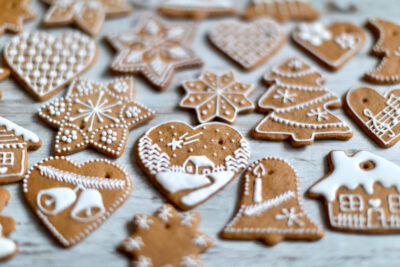
Royal icing perfectly masks imperfections of the burnt surface of cookies. Its thick consistency covers the entire cookie, creating a uniform white base. Colorful dyes allow you to adjust the shade to match holiday compositions.
Icing Application Methods:
- Coating the entire surface of the cookie
- Applying a thick layer with a spoon
- Piping from a pastry bag
- Dipping in warmed icing
Chocolate glaze serves as an alternative to icing, adding intense flavor. Sugar sprinkles, candies, and silk beads create an additional visual layer. Adhering decorations to moist icing ensures a lasting bond. A thicker layer of decoration hides burnt spots more effectively than a thin coating.
Can heavily burnt gingerbread be used instead of being thrown away?
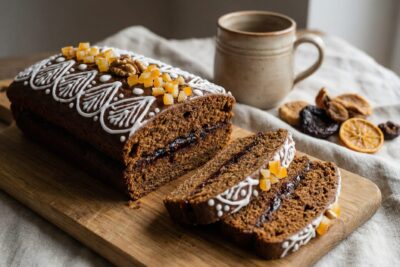
Heavily burnt cookies can be repurposed into dessert crumble. Crumbled gingerbread makes an excellent addition to ice cream, yogurt, or oatmeal. The aroma of burnt flavor adds a caramel note to the composition.
Uses for crushed gingerbread:
- Base for no-bake cakes
- Topping for dairy desserts
- Addition to homemade granola
- Layer in layered desserts
Completely blackened, charred cookies are not suitable for consumption. The content of harmful compounds exceeds safe levels. Slightly burnt edges can be scraped off, but deeply burnt centers require disposal. Assessing the degree of burning determines the possibility of salvaging the baked goods.
How can you prevent burning gingerbread while baking?
Controlling the oven temperature is fundamental to successfully baking gingerbread. An oven thermometer verifies the actual temperature, which often differs from the set one. Parchment paper or a silicone mat protects the bottoms of cookies from direct contact with the baking sheet.
The position of the baking sheet in the oven affects how intensely the dough browns. The middle rack ensures even heat distribution. Dark baking sheets absorb more energy, accelerating the burning process of the bottom layer. Light aluminum pans reflect heat, extending baking time. Reducing the temperature by 10 degrees while extending baking time prevents burning of the edges.
What should you do if only the bottoms or edges of the gingerbread are burnt?
The bottoms of gingerbread require separate treatment from the burnt upper surface. A sharp tool effectively scrapes dark spots from the bottom. A cold cookie is easier to work with than a warm one just out of the oven.
Edges respond well to scraping with a fine grater. Rotating the cookie during this process ensures even removal of the burnt layer. Decorating with icing focuses on the most damaged areas. Completely covering with white glaze eliminates visual traces of overbaking. Storing in an airtight container with an apple softens harder pieces created during longer baking.
Summary
The combination of American cornmeal mix with Korean preparation techniques opens up new culinary possibilities. Adapting the ready-made GOFREX product requires enriching it with yeast and wheat flour, introducing fluffiness characteristic of Asian versions. The fermentation process, multilayered breading, and precise frying differentiate this method from classic American approaches.
Key elements of success include the proper choice of filling, the correct oil temperature, and the use of panko breadcrumbs. Mozzarella cheese combined with a hot dog creates a combination that ensures a stretching effect, while the potatoes provide an additional crunchy texture. A final sprinkle of fine sugar introduces a contrasting sweet-salty profile typical of Korean street food.
Mastering the technique for preparing Korean corn dogs using American mix allows you to enjoy an authentic taste without the need to gather numerous ingredients from scratch. The result combines the convenience of a ready-made product with the unique texture and flavor of an Asian snack that has captured the hearts of food lovers around the world.
Sources:
- https://dziendobry.tvn.pl/styl-zycia/porady/przypalone-jedzenie-jak-je-uratowac-st6552202
- https://www.mashed.com/1234572/the-grater-trick-to-rescue-cookies-with-burnt-edges/
- https://www.winiary.pl/porady/pierniki-sa-za-twarde-lub-gorzkie-co-zrobic/