




Description
Cellophane Bags, Packaging for Hungarian Kołacz and Food, 30×20 cm with Wires
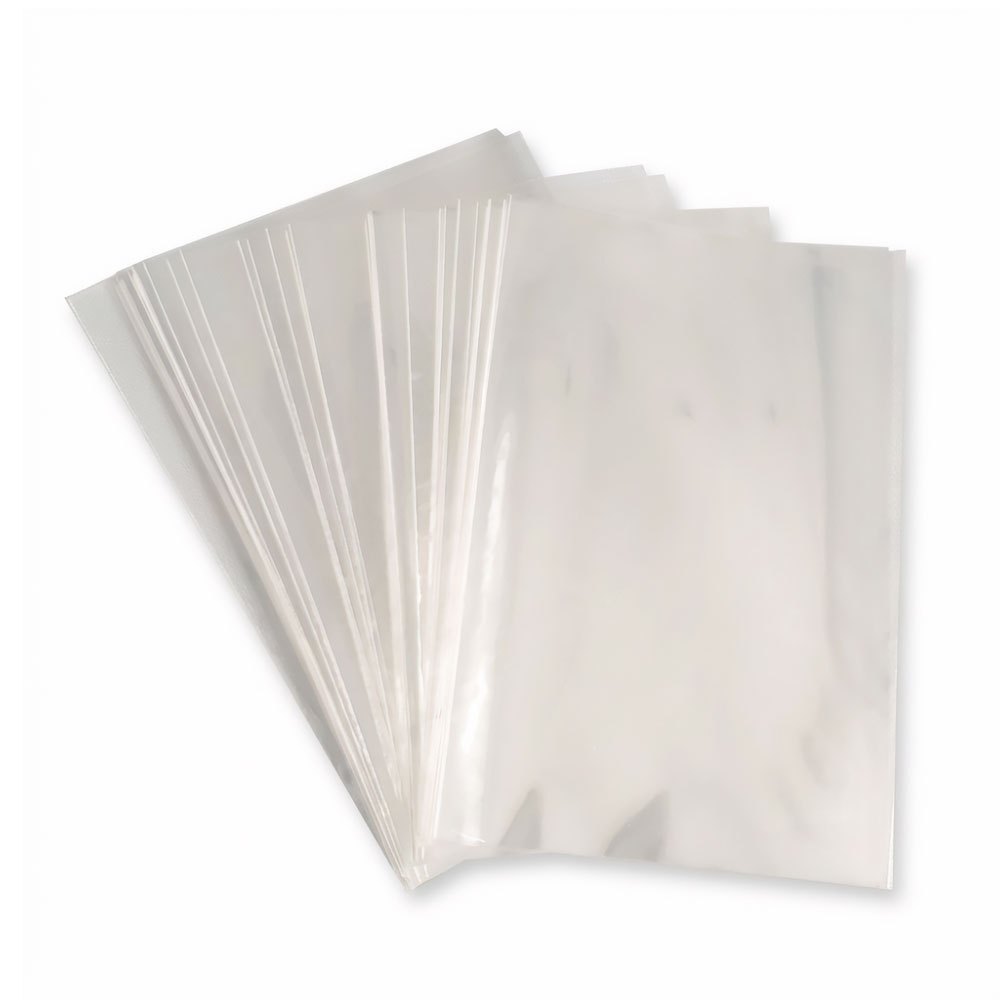
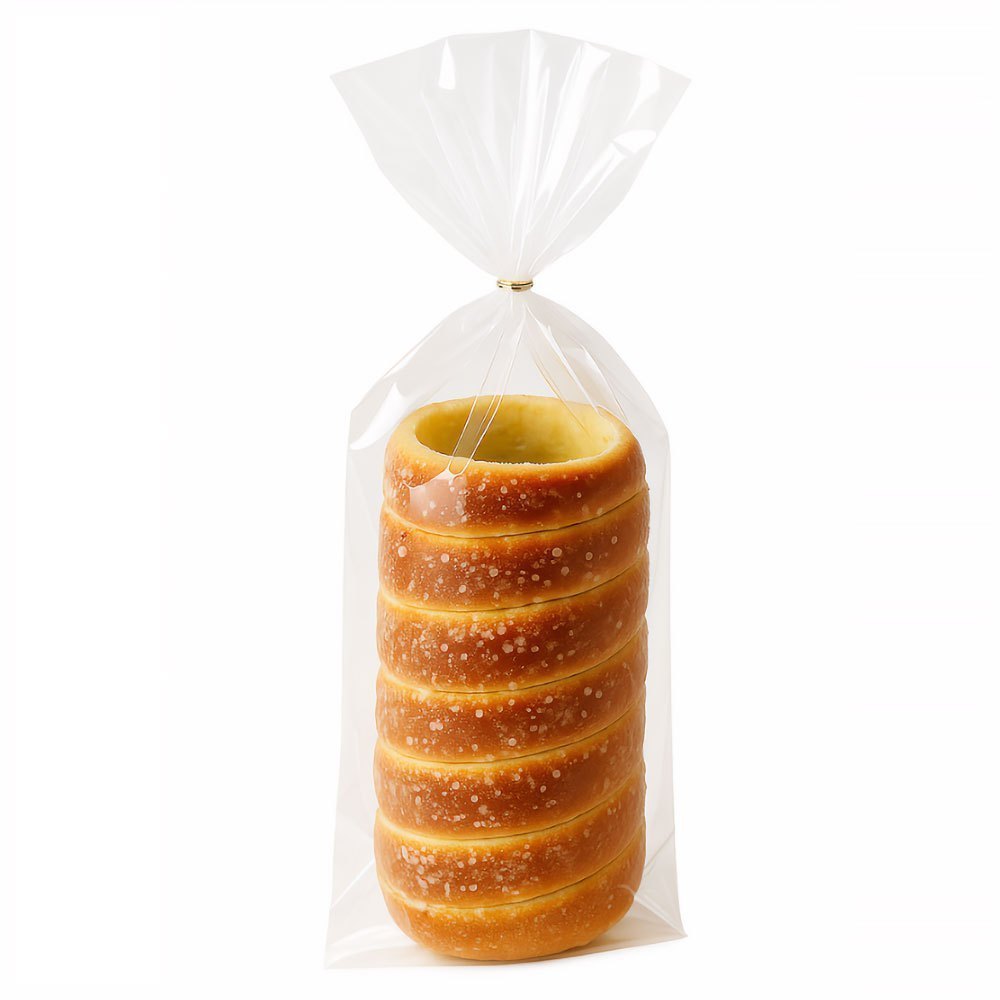
Cellophane bags from the manufacturer Gofrex provide a professional solution for food packaging. The 30×20 cm size is specially tailored to the dimensions of Hungarian kołacz and other yeast pastries. The transparent cellophane film allows full visibility of the packaged contents. The material effectively protects products from moisture, contaminants, and loss of aroma. Each set contains 50 bags and gold wires for elegant sealing of the packages.
The biodegradable structure of the cellophane offers an environmentally friendly solution. The film has natural barrier properties protecting against fats and oils from baked goods. The packaging is ideal for bakeries, confectioneries, and homemade candy production. The resistant to mechanical damage structure guarantees safety during transport and storage. The product meets food safety standards, confirmed by its suitability for direct contact with food products. The aesthetic appearance of the packaged goods increases their commercial appeal.
Features and Benefits
The cellophane bags are characterized by exceptional versatility. The naturally derived material is made from plant cellulose, maintaining full biodegradability. The film’s transparency allows showcasing the contents without opening the package. Its flexible structure adapts to the shape of the packed products. The bags provide moisture protection through appropriate insulating properties.
- The transparent cellophane film displays contents in an attractive way
- Moisture protection extends freshness of baked goods by 2 to 3 days
- Resistance to fats and oils prevents substance penetration
- The biodegradable material decomposes naturally without harming the environment
- The durable structure protects products from mechanical damage
- The breathable material maintains proper air circulation
- The included gold wires allow decorative sealing of packages
- The size is adapted to traditional Hungarian kołacz dimensions
- Safe direct contact with food items according to standards
- Universal use for various types of baked goods and sweets
Packing in cellophane preserves the aroma and taste of products. The material effectively limits air access, slowing oxidation processes. The bags are suitable both for professional culinary establishments and home baking. The package transparency enhances commercial presentation at sales stands.
The gold wires included in the set enhance the visual appeal of packaged products. The wire’s flexibility facilitates forming decorative bows and ties. Its appropriate length allows convenient bag closure without additional tools. This packaging is perfect for presenting sweets as special occasion gifts.
Benefits of Use for the Food Service Industry
Bakeries and pastry shops gain a professional solution for product presentation. Cellophane bags enhance the aesthetics of products offered to customers. The transparency of the material encourages purchase by providing full visibility of the contents. The packaging protects the baked goods from contamination and preserves their freshness for a long time.
- Preservation of Hungarian pastries’ freshness for 2 to 3 days without loss of aroma
- Attractive presentation of food products that increases their commercial value
- Protection of baked goods from contamination during display on sales counters
- Limiting moisture access to prevent drying out and crumbling of the dough structure
- Branding possibilities through the application of company stickers on transparent packaging
- Biodegradability of the material supporting an eco-friendly image of the food establishment
- Speedy packing thanks to a simple closing system using included twist ties
- Universal size matched to standard dimensions of traditional yeast pastries
- Reduction of product losses through effective protection against mechanical damage
- Ability to store packaged products without the need for additional containers
Food service establishments appreciate the economic aspects of using cellophane packaging. A set containing 50 bags and twist ties reduces the cost per individual package. The lightweight and thin material does not significantly increase the transport weight of products. The biodegradability of cellophane eliminates the need for special waste sorting.
Professional bakeries use bags for packaging kurtos, trdelníks, and other pastries. The packaging is equally suitable for packing cookies, meringues, chocolates, and pralines. The flexibility of the material allows packing products with irregular shapes. The transparency of the film enables customers to assess product quality before purchase.
Specifications and Technical Data
The technical parameters of cellophane bags have been tailored to meet food industry requirements. Cellophane film has a thickness ranging from approximately 20 to 30 microns, providing optimal durability. Water vapor permeability ranges between 30 and 50 grams per square meter per day. Oxygen barrier is below 10 cubic centimeters per square meter per day. The material maintains stability at temperatures from minus 20 to plus 40 degrees Celsius.
| Parameter | Value |
|---|---|
| Bag dimensions | 30 cm × 20 cm |
| Quantity per package | 50 pieces |
| Material | Transparent cellophane film |
| Film thickness | Approximately 20-30 microns |
| Water vapor permeability | 30-50 g/m²·24h |
| Oxygen barrier | Below 10 cm³/m²·24h·atm |
| Temperature range | From -20°C to +40°C |
| Film color | Transparent clear |
| Closing wires | Gold, included in set |
| Application | Food packaging, Hungarian pastries |
| Manufacturer | Gofrex |
| Food contact | Direct, compliant with standards |
The structure of cellophane is based on natural cellulose derived from plants. The production process does not require the use of harmful chemicals. The material contains no bisphenol A or phthalates, ensuring health safety. The film meets the requirements for direct contact with food products.
Cellophane biodegrades naturally within a few months. The material breaks down without releasing toxic substances into the environment. The packaging is suitable for both home and industrial composting. The eco-friendly nature of the product supports environmentally conscious practices in food service establishments.
Protective properties of cellophane
Cellophane provides an effective barrier against moisture penetration into the packaging interior. The material protects contents from drying out, which is crucial for yeast-based baked goods. Hungarian pastries retain a soft internal texture for 2 to 3 days. Cellophane’s insulating properties limit gas exchange with the surroundings. Packaged products maintain freshness without losing flavor quality.
Resistance to fats and oils is an important feature of cellophane packaging. Baked pastries often contain butter, which can seep through ordinary films. Cellophane effectively blocks the migration of fatty substances outside the packaging. This property ensures cleanliness and an attractive appearance of packaged products. The absence of grease stains on the film enhances the professional presentation of goods.
Cellophane’s air permeability allows minimal gas circulation. The breathable structure prevents condensation inside the bag. Overly airtight packaging could cause moisture buildup and mold growth. Cellophane balances protection against drying out with the need for air exchange. This balance extends product shelf life without risking quality deterioration.
Applications in bakeries and confectioneries
Hungarian pastries, also known as kurtos or trdelniks, require proper packaging. Traditional baking on wooden rollers creates a distinctive cylindrical shape with a hollow center. The size 30×20 cm perfectly fits a standard pastry about 25 centimeters long. Bags allow packaging a single pastry while maintaining an attractive appearance.
Bakeries use cellophane packaging for selling baked goods to go. The film’s transparency lets customers assess the product’s appearance before purchase. Golden, browned pastries look appealing through the clear material. Gold-colored twist ties highlight the visual appeal of packaged items. This effect increases perceived product value and purchase desire.
Confectioneries use bags to package various sweets. Gingerbread cookies, biscuits, meringues, and chocolates find safe protection in cellophane packaging. The material shields delicate products from mechanical damage during transport. Twist ties enable creating attractive gift presentations for special occasions. Packaging is suitable for sales at fairs, markets, and seasonal stalls.
Ecological Aspects of Packaging
Cellophane, as a biodegradable material, offers an alternative to traditional plastics. Its production is based on renewable plant raw materials, primarily cellulose wood fibers. The decomposition process of cellophane in the natural environment takes from several months up to a year. The material composts without releasing harmful substances into the soil or groundwater.
The biodegradability of cellophane supports the ecological efforts of food service establishments. Customers are increasingly paying attention to eco-friendly packaging for food products. Using cellophane enhances the company’s image as socially responsible. Packaging can be disposed of along with organic waste or compost. Eliminating plastic packaging reduces the negative impact on the natural environment.
The transparency of the cellophane production process builds consumer trust. The material contains no chemicals harmful to human health. The absence of bisphenol A and phthalates ensures safety in contact with food. Food safety certificates confirm compliance with strict quality standards. Eco-friendly packaging meets the growing demands of the food market.
Practical Usage Tips
Packing Hungarian pastries requires following a few simple rules. The baked goods should be completely cooled before placing them in the cellophane bag. Warm products release water vapor that condenses inside the packaging. Condensation can cause the crispy surface of the pastry to soften. Allowing time for cooling ensures optimal quality of the packaged product.
Closing the bag with a twist tie should be done carefully but without excessive tightening. Over-tightening can damage the delicate structure of the baked goods. The twist tie should be twisted several times, leaving a small margin of looseness. Forming a bow from the ends of the twist tie enhances the decorative appeal of the packaging. An aesthetically pleasing tie attracts potential customers’ attention.
Stored packaged pastries should be kept in a dry and cool place. Room temperature between 64 and 72 degrees Fahrenheit is optimal for baked goods. Avoid direct sunlight, which can heat the contents of the bag. Packaged pastries stay fresh for 2 to 3 days under proper conditions. Longer storage requires freezing products in airtight packaging.


