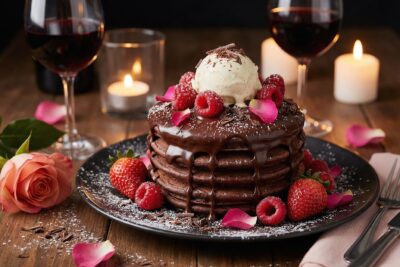
Preparing tasty tartalettes requires precision, creativity and a sense of taste. Miniature versions of classic tarts are perfect for a variety of occasions – from elegant parties to intimate gatherings. Their versatile nature allows them to prepare both sweet and savory variants, which makes them eagerly served in catering establishments. Restaurants, cafes and pastry shops often include them in their menus, offering a wide variety of flavors and textures.
In professional kitchens, tartlets are valued for their ability to be prepared in advance and for their convenience in serving. They enable creative presentation of dishes, giving chefs space to experiment with fillings and decorations. Classic versions with cream and fruit are popular, but modern variants with exotic ingredients open up many possibilities for pastry chefs.
Preparing tartlets requires skill and knowledge of confectionery techniques. Of key importance is the proper preparation of the shortcrust pastry, which forms the base for the filling. Professional kitchens often use specialized equipment to streamline production and ensure repeatable results. Such solutions make it possible to quickly and efficiently produce larger quantities of baked goods of consistent quality, which is particularly important in catering for large events and catering.
Basics of preparing perfect tartalettes
Creating perfect tartalettes requires care at every stage. A key role is played by properly prepared dough, which is the foundation for a tasty filling. Basic ingredients include flour, butter, powdered sugar, salt and egg. The right proportions affect the consistency and taste of the finished baked product.
Dough preparation technique
The process begins by combining flour, powdered sugar and a little salt. Cold butter cut into small cubes is added to the dry ingredients. The low temperature of the fat is important, as it affects the crispness of the baked product. The mixing should be continued until a texture resembling fine sand is achieved. The next step is to add the egg and gently combine the ingredients into a smooth mass.
Tip: Kneading for too long can stimulate the development of gluten, leading to a hard and rubbery texture.
Cooling and shaping
Wrap the shaped dough in cling film and refrigerate for at least 30 minutes. This step allows the structure of the dough to rest, making it easier to roll out and form the tartlets later. Once chilled, roll out the dough to a thickness of about 3-4 mm, then cut out discs to fit the size of the molds.
When forming, place the dough in the molds, carefully pressing against the sides and edges. Excess dough can be removed, leaving a small reserve that will shrink during baking.
Baking the tartalettes
Before baking, it is a good idea to chill the prepared tartalettes again for about 15 minutes. This step reduces the risk of excessive shrinkage of the dough. Then the bottom of the tartalettes should be gently pricked with a fork to prevent air bubbles.
Baking is done at 170-180°C and takes about 15-20 minutes. Time and temperature may vary depending on the size and type of oven. The tartalettes should take on a golden color, which indicates that they are ready.
Tip: To get evenly baked bottoms, it’s a good idea to use perforated pans to improve air circulation.
After baking, the tartlets should be allowed to cool completely before removing from the molds. Properly prepared, they should be crisp, golden in color and have a delicate, buttery flavor. They make an excellent base for fillings in both sweet and dry versions.
Recipe for shortcrust pastry for tartalettes
Preparing the perfect shortcrust pastry for tartalettes requires precision and the right proportions of ingredients. The classic recipe is based on a ratio of 3:2:1, which is three parts flour, two parts fat and one part sugar. Below is a tried-and-true recipe that guarantees tender and crisp bottoms for tartalettes.
Ingredients and proportions
To prepare shortcrust pastry for about 12-15 tartalettes, you will need:
- 300 g of wheat flour type 500 or crisp flour
- 200 g of cold butter
- 100 g powdered sugar
- 2 egg yolks
- A pinch of salt
- Optional: 1 teaspoon of vanilla extract
Tip: For a more crumbly dough, you can replace some of the wheat flour (about 30-50 g) with almond flour. It will give the baked product a delicate nutty flavor and increase the crispness.
Preparation process
Sifting the flour with powdered sugar and salt into a large bowl is the first step. Next, adding cold butter cut into cubes and quickly crushing the ingredients with your fingers will produce a texture resembling coarse crumble. The next step is to add egg yolks and vanilla extract (optional). Once the ingredients are combined, quickly knead the dough, forming a ball. Kneading for a long time can make the dough elastic and less crumbly.
The finished dough needs to be wrapped in cling film and chilled in the refrigerator for at least 30 minutes, but preferably for 1-2 hours. Once chilled, roll out to a thickness of about 3-4 mm and cut out circles corresponding to the size of the molds.
Forming tartalettes requires delicacy. The dough should be carefully placed in the molds and pressed against the sides. Pricking the bottom with a fork will prevent air bubbles. To prevent the dough from shrinking during baking, it is a good idea to chill the filled molds again in the refrigerator for 15-20 minutes.
Tip: If the dough becomes too soft when rolling it out, it is best to put it in the refrigerator or freezer for a while. Cold is easier to handle and holds its shape better during baking.
Baking and finishing
Preheat the oven to 180°C. Bake the tartalettes for about 15-20 minutes, until the bottoms turn golden. After removing them from the oven, you need to let them cool completely before removing them from the pans.
To avoid soaking the dough with moisture from the filling, you can brush the finished bottoms with beaten egg white mixed with a little powdered sugar, and then bake them for a few more minutes. Such a protective layer will ensure that the tartlets remain crispy, even after the moist ingredients are applied.
The key to success in preparing shortcrust pastry lies in quick kneading, working with cold ingredients and proper cooling at various stages. These steps guarantee the perfect texture and excellent taste of the baked product.
Professional device for making tartalettes – shortcrust pastry body machine
GOFREX has launched an innovative device for making tartalettes that streamlines the process of preparing these popular baked goods. The shortcrust past ry body machine is an indispensable tool for the food service industry, making it possible to quickly and precisely form tartalettes of various shapes and sizes.

Functionality and performance
The GOFREX machine offers advanced features to ensure high quality and repeatable baking. Key features include:
- Interchangeable molds for tartalettes in a variety of shapes
- Contact baking method that guarantees even heat distribution
- Electronic timer with a beep to indicate when the cycle is complete
- Independent temperature control of the upper and lower molds
- Mechanism that controls the thickness of the walls and bottoms of the tartalettes
These features allow the unit to be customized to meet a variety of foodservice needs.
Application in gastronomy
The machine for shortcrust pastry bodies works well in many catering establishments. It allows efficient preparation of:
- Savory tartlets for elegant buffets
- Sweet tartalettes with fruit and cream for cafes and pastry shops
- Savory mini-snacks served at parties and events
- Seasonal specialties adapted to the current season
The unit, which weighs 25 kg and measures 50 × 60 × 40 cm, is compact, yet sturdy and durable. It is perfect for dynamic catering environments.
Benefits for business
Investing in a professional tartlet maker increases production efficiency while maintaining the highest quality. Automating the process allows the team to focus on creative aspects, such as composing fillings and decorations. Expansion of the range of products influences greater customer satisfaction.
The ability to quickly prepare a large number of tartalettes with consistent quality makes the device ideal for serving larger events and catering. Flexibility in the selection of shapes and sizes allows you to adapt your offerings to current culinary trends and guest preferences.
Tip: To take full advantage of the device’s potential, experiment with different types of dough and fillings, creating unique combinations of flavors and textures that will set your offering apart from the competition.
Tips for baking tartalettes without dough shrinkage
Dough shrinkage when baking tartalettes is a common problem that can negatively affect the appearance and texture of the baked product. There are several proven methods that help avoid this effect and ensure that tartalettes are perfectly shaped.
Proper preparation of the dough
Proper preparation of the dough plays a key role. Excessive kneading leads to the development of gluten, which increases elasticity and promotes shrinkage during baking. Ingredients should be mixed only until combined.
The addition of water requires caution, as too much liquid can also cause deformation. After kneading, the dough should be formed into a disk, wrapped in cling film and chilled in the refrigerator for at least an hour, and preferably overnight. Refrigeration allows the structure to stabilize and minimizes the risk of the dough shrinking in the oven.
Shaping and baking techniques
When rolling out, avoid stretching the dough. It is best to gently rotate it after each rolling motion. After transferring to the mold, the dough should be placed without stretching. Leaving a small allowance at the edges prevents shrinkage during baking.
Before baking, it is advisable to prick the bottom with a fork, which allows even release of steam and prevents air bubbles. Placing the tartlets in the freezer for 15 minutes before baking stabilizes the structure and reduces shrinkage.
Tip: Use ceramic or metal molds instead of glass ones. The better heat conductivity of these materials allows the dough to bake evenly.
Blind baking technique
Blind baking is an effective method to prevent dough shrinkage:
- Lining the tartlets with baking paper.
- Filling them with baking weights or dry beans.
- Baking at 190°C for 15 minutes.
- Removing the weights and paper, then baking for another 5-10 minutes until the bottoms are golden.
Using this technique preserves the shape and bakes the cake evenly. It is best to trim the excess only after baking, using a sharp knife.
Using these methods minimizes the risk of dough shrinkage and produces aesthetically pleasing, crisp bottoms ideal for a variety of fillings.
Best fillings for sweet and savory tartalettes
Tartalettes are versatile treats that can be filled with a variety of fillings, both sweet and dry. Carefully selected ingredients can transform a simple tartaletta into a unique dessert or a dry snack, delightful in taste and appearance.
Sweet fillings
Sweet tartalettes are a classic choice for a variety of occasions. Here are some popular filling suggestions:
- Mascarpone cream and fruit – The combination of creamy mascarpone cheese with seasonal fruits such as strawberries, raspberries or blueberries creates a light and refreshing dessert.
- Chocolate ganache – Intense chocolate flavor paired with a crumbly cake is for lovers of distinct desserts.
- Lemon curd –Lemon cream with intense flavor contrasts perfectly with the sweetness of the crumbly bottom.
- Vanilla cream with caramelized pears – The subtle flavor of vanilla combined with the sweetness of caramelized pears creates an elegant filling.
Tip: To avoid softening the bottom of the tartaletta, you can spread a thin layer of melted chocolate on the bottom before applying the cream. Such a barrier will protect the cake from moisture.
Savory fillings
Savory tartalettes are perfect as appetizers or snacks. Here are some suggestions:
- Cottage cheese with spinach and sun-dried tomatoes – A creamy base with aromatic spinach and intensely flavorful sun-dried tomatoes.
- Smoked salmon with cream cheese – A combination of tender salmon with velvety cream cheese, garnished with dill.
- Mushrooms with cream cheese – Sauteed mushrooms with onions, enriched with tangy cream cheese, create a distinctive filling.
- Quiche with vegetables – A miniature version of the classic quiche with a mix of seasonal vegetables and an egg filling.
The savory tartlets can be served both hot and cold, making them suitable for elegant parties and less formal gatherings.
Seasonal inspiration
Using ingredients that are available at a given time of year allows you to create unique fillings for tartalettes. Fresh fruits and vegetables work best in spring and summer, mushrooms and pumpkin in autumn, and nuts and dried fruits in winter.
Autumn tartalettes with pumpkin cream and roasted nuts or summer tartalettes with strawberry mousse and fresh mint are suggestions that attract attention with taste and aesthetics. In the dry version, spring tartalettes with asparagus and goat cheese or winter tartalettes with roasted tomatoes and basil will work well.
Tip: When composing fillings, it is important to maintain a balance of flavors. Combining ingredients of different textures and intensities allows you to achieve a harmonious composition.
The most common mistakes when making tartalettes and how to avoid them
Preparing perfect tartalettes can be a challenge even for experienced confectioners. By learning about the most common mistakes and how to avoid them, you can achieve perfect results every time.
Incorrect preparation of the dough
Proper preparation of shortcrust pastry plays a key role. A common mistake is kneading for too long, which leads to excessive development of gluten. As a result, tartlets become hard and rubbery instead of crisp and tender. To avoid this, mix the ingredients only until combined.
The temperature of the ingredients also matters. The butter should be cold, not soft or melted. Only then will it provide the right texture for the cake and crispness after baking.
Tip: If the dough becomes too soft while working, it is a good idea to put it in the refrigerator or freezer for a short time. A cool mass is easier to handle and holds its shape better during baking.
Problems with shaping and baking
Rolling out the dough to an uneven thickness often leads to baking problems. Thinner pieces may be too hard, and thicker pieces may be undercooked. To avoid this, special rolling rings that allow you to achieve an even thickness will help.
Another mistake is not cooling the tartalettes sufficiently before baking. Warm dough tends to shrink and deform. A minimum of 30 minutes in the refrigerator or 15 minutes in the freezer before putting in the oven significantly improves the results.
The most common mistakes during baking:
- Too high an oven temperature
- Baking time too long
- Failure to prick the bottom with a fork
- Frequent opening of the oven door
To avoid these problems, follow the temperature and baking time recommendations carefully and prick the bottom before baking. Opening the oven during baking disrupts heat circulation, which can affect even baking.
Problems with filling and finishing
Even perfectly baked tartlets can be spoiled by a poorly chosen filling or improper finish. Too moist a filling applied to hot bottoms leads to softening. Tartalettes should be completely cooled before applying cream or fruit.
Inadequate amount of filling is another problem. Excess can lead to overflowing during baking or difficulty when eating. It is important to maintain a balance between the dough and the filling.
Tip: To prevent the bottom from soaking up moisture from the filling, it is a good idea to brush the baked and cooled tartlets with a thin layer of melted chocolate before adding the cream or fruit.
Avoiding these mistakes allows you to prepare not only tasty, but also aesthetically pleasing tartalettes that delight with both taste and appearance.
Ideas for tartalettes for different occasions and seasons
Tartalettes are versatile baked goods that can be adapted to any season or event. Their variety makes them perfect for both elegant parties and intimate family gatherings. Here are some inspiring suggestions for every occasion.
Spring inspirations
Spring is a time when light, fresh flavors emerge. Tartalettes with lemon-mint cream and fruit perfectly reflect the character of this season. The refreshing cream combined with seasonal fruits, such as strawberries and raspberries, creates a harmonious composition.
Edible flowers can enrich both the taste and appearance of the dessert. Pansies, lavender or rose petals add a delicate aroma and make the tartlets look particularly impressive.
Tip: To accentuate the lemon flavor in the cream, it’s a good idea to add grated lemon zest before filling the tartalettes.
Summer feasts
Summer abounds in juicy fruits, which go well with crumbly pastry. Tartalettes with cream and seasonal fruits are classics that are always popular. Peaches, cherries or apricots give the dessert a natural sweetness.
Combining fruits with herbs can add an original touch. Strawberries and lavender, raspberries and basil or apricots and rosemary are suggestions that will surprise you with an unobvious taste.
Mini tartalettes will work well at picnics and summer parties. Their small size makes them easy to transport and serve outdoors. Preparation of several variants of fillings allows you to adjust the dessert to different tastes.
Autumn delights
Autumn is a time of warm, spicy flavors. Tartalettes with pears in syrup, served with walnuts and spices, are perfect for cooler evenings.
The classic combination of apples and cinnamon will work well in the form of miniature apple pies. The taste can be enhanced with the addition of caramel or roasted nuts.
For lovers of distinct sensations, tartalettes with figs, goat cheese and honey will be an ideal choice. The sweetness of the fruit, the slightly tangy character of the cheese and a subtle note of honey create an exceptionally balanced composition.
Winter feasts
Winter is a time when dessert should not only taste good, but also add warmth and wrap up with an intense aroma. Tartalettes with chocolate and caramel perfectly fulfill this role. Nuts, candied fruits or a pinch of chili can add some variety.
For winter parties, tartalettes with pudding cream and dried fruits are perfect. The delicate texture of the cream combined with the intense flavor of cranberries, figs or dates is reminiscent of summer flavors in the middle of winter.
Ideas for winter tartalettes:
- Chocolate cream and roasted nuts
- Pumpkin mousse with spices
- Vanilla cream and caramelized pears
- Gingerbread cream and dried cranberries
Tip: To keep the tartlets fresh, it is best to store them in an airtight container in a cool place. Add the filling just before serving so that the bottom stays crisp.
Tartalettes work well at any time of the year and for any occasion. The ability to adapt flavors and ingredients to the season makes them always a great choice for a sweet or savory treat.
How to store and freeze tartalettes for later?
Storing and freezing tartalettes allows you to keep them fresh and flavorful for longer. The right methods allow you to enjoy baked goods even weeks after preparation.
Storing fresh tartalettes
Fresh tartalettes are best stored in an airtight container at room temperature. Crispness is maintained for up to 2-3 days. For fillings that require refrigeration, such as pudding cream or fresh fruit, it is necessary to store them in the refrigerator. Under such conditions, they remain fresh for up to 3-4 days.
Tip: To avoid soaking the bottoms with moisture from the filling, it is advisable to brush the baked and cooled tartalettes with a thin layer of melted chocolate before applying the cream.
Freezing tartalettes
Freezing is an effective way for long-term storage. Here are some steps to make the process easier:
- Baked tartalettes should cool completely before freezing.
- When choosing variants with fillings, it is advisable to use those that stand up well to freezing, such as chocolate ganache.
- Wrap each tartaletta tightly with cling film and then aluminum foil.
- Placing them in an airtight container or freezer bag prevents air from entering.
- Marking the date and type makes it easier to use later.
- Frozen tartlets can be stored for up to 3 months.
Defrosting and refreshing
The thawing process is best done slowly, leaving the tartalettes in the refrigerator for several hours or overnight. Once thawed, they can be refreshed by heating them for a few minutes in a preheated oven. This will restore crispness and enhance the flavor of the baked goods.
Tip: Freezing bottoms without filling allows them to be filled with fresh custard or fruit after thawing for the best texture and flavor.
Freezing is a convenient method of extending the shelf life of tartalettes, but the best taste comes from those prepared fresh. When planning a larger party, it is advisable to bake the crisp bottoms in advance and store them in an airtight container, and add the filling just before serving.
Summary
Preparing tartalettes requires precision, creativity and knowledge of pastry techniques. Every step, from preparing the shortcrust pastry to choosing the right filling, affects the final result. Professional equipment, such as body forming machines, can significantly improve the process, especially in commercial settings.
Avoiding common mistakes, such as over kneading the dough or improper ingredient temperatures, improves the quality of baked goods. Seasonal ingredients and creative combinations of flavors make it possible to create tartlets suited to different occasions and seasons.
Proper storage and freezing preserves the flavor and texture of baked goods for a longer period of time. Preparing tartalettes for both home parties and catering needs requires knowledge of effective methods and techniques.
Tartalettes, which are miniature works of confectionery art, have the potential to delight with taste and appearance. Combining traditional recipes with modern solutions allows to obtain unique baked goods that will meet the expectations of even the most demanding gourmets.