Preparing delicious pancakes is an art, uniting simplicity with finesse. Pancakes, being a versatile dish, work well as a delicious breakfast and an exquisite dessert.
The key to success is the right batter – light, elastic and of perfect consistency. The process of making pancakes begins with a careful selection of ingredients, among which the main role is played by flour, eggs, milk and a pinch of salt. The proportions of the ingredients are crucial to achieving the desired texture.
Frying technique requires skill – the right temperature of the pan, the ability to distribute the batter evenly and a sense of when to turn the pancake are the elements that determine the final result. Serving pancakes in a variety of ways and with a variety of sweet or savory fillings gives the dish extraordinary versatility. Mastering the art of preparing pancakes opens the door to culinary creativity, allowing you to experiment with different flavors and textures.
Step-by-step ingredients and recipe for the perfect pancake batter
Preparing the perfect pancake batter requires proper selection of ingredients and following a few key rules. The basic products are wheat flour, eggs, milk and a pinch of salt. Their proportions are important for getting the right consistency.
Ingredients for the perfect pancake batter
To prepare about 12-15 pancakes you will need:
- 2 cups of wheat flour
- 2 eggs
- 2 cups of milk
- a pinch of salt
- 2 tablespoons of melted butter or vegetable oil
- optional: 1 tablespoon of sugar (for sweet pancakes)
Preparing the batter step by step
The process of preparing the pancake batter is simple, but requires attention and precision.
- In a large bowl, sift the flour, add salt and optional sugar.
- In a separate bowl, whisk the eggs with half of the milk.
- Pour the egg-milk mixture into the flour and stir, gradually adding the rest of the milk. Stirring vigorously will avoid lumps.
- Add melted butter or oil, and mix thoroughly.
- Set the dough aside for 15-30 minutes to allow the ingredients to come together and the flour to swell.
Tip: If the dough seems too thick after setting aside, add a little milk. The consistency should resemble cream.
Secrets of the perfect pancake batter
The right consistency of the batter is key. It should be smooth, without lumps and have the right density. If it is too runny, it will spread on the pan, and if it is too thick, it will make it difficult to prepare thin pancakes.
The temperature of the ingredients also matters. The products should be at room temperature, which will make them easier to combine and ensure a uniform batter.
Some cooks add sparkling water or beer to the batter, which makes the pancakes lighter and fluffier. You can replace some of the milk with sparkling water or beer in a 1:1 ratio.
The first pancakes may not be perfect – this is normal. The pan needs to get hot enough, and the right amount of batter and frying technique require feeling. Each subsequent pancake will be better.
Ready-made batter and mixes for pancakes
Ready-made batter and mixes for pancakes are a convenient solution for lovers of culinary experiments. Their flexibility makes it easy to customize flavors to individual preferences, opening up space for creativity in the kitchen. The versatile nature of these products allows you to prepare both thin, classic pancakes and fluffy, American pancakes.

The versatility of the mixes makes them suitable for a variety of situations – from everyday breakfasts to exquisite desserts. The ability to quickly prepare different variations of pancakes makes them an ideal choice for busy families, party organizers and professional cooks.
Ready-made mixes provide repeatable results, which is especially important for those taking their first steps in the kitchen. At the same time, they provide an excellent base for more experienced cooks who want to create their own unique recipes.
How to get thin and flexible pancakes
Preparing thin and flexible pancakes requires proper technique and careful selection of ingredients. The consistency of the batter and the frying method are crucial.
The ideal consistency of the batter
To make thin pancakes, the batter should have the consistency of cream. If it is too thick, it will make it difficult to spread in the pan, and if it is too thin, it will be difficult to get the right shape.
The proportions of the ingredients play an important role. For every cup of flour, add about 1.25 cups of liquid (milk or water). Eggs increase elasticity, and different types of flour may require adjustments in the amount of liquid.
After preparing the dough, it is a good idea to let it rest for 15-30 minutes so that the flour swells and the mass becomes homogeneous. If it seems too thick after this time, you can add a little liquid.
Tip: To avoid lumps, mix the dry ingredients first, and then gradually add the liquid, stirring vigorously.
Frying technique
The pan should be well heated before pouring in the batter. Non-stick coated models or those designed specifically for pancakes work best.
Before frying, it is a good idea to wipe the surface with a thin layer of oil or melted butter, using a brush or paper towel.
Pour the batter into the center of the pan and then quickly spread it over the entire surface, rotating the pan. This can be done in two ways:
- By tilting the pan in different directions so that the batter spreads evenly.
- Using a special spreader to help get a thin and even layer.
The pancake should be fried until the edges begin to rise and turn golden. Then you can gently lift it with a spatula and flip it. The other side requires shorter frying.
Additions to increase elasticity
A few tricks can improve the elasticity of pancakes:
- Adding a tablespoon of vegetable oil or melted butter to the batter will make it easier to flip and increase flexibility.
- Partially replacing milk with sparkling water will make the pancakes lighter and more springy.
- Adding a little cornstarch (about a tablespoon per cup of flour) will improve texture and elasticity.
The first pancakes often do not come out perfect, because the pan needs to reach the right temperature and frying requires practice. With each successive pancake, the result will get better and better.
Grandma’s recipe for traditional Polish pancakes
Traditional Polish pancakes, also known as pancakes with cheese or apples, are a dish associated with warm childhood memories. Grandma’s recipe is simple, but elaborate in every detail.
Ingredients for pancake batter
To prepare traditional Polish pancakes according to grandma’s recipe you will need:
- 2 cups of whole wheat flour
- 2 eggs
- 1 glass of milk
- 1 glass of water
- pinch of salt
- 2 tablespoons of melted butter
Tip: To get the perfect consistency, the liquids should be added gradually, stirring vigorously to avoid lumps.
Preparing the dough
The process of preparing the batter is crucial for making perfect pancakes.
- In a large bowl, mix flour and salt.
- In a separate bowl, whisk the eggs with milk and water.
- Gradually pour the liquid into the flour, stirring to avoid lumps.
- Finally, add the melted butter and mix thoroughly.
- Set the dough aside for at least 15 minutes for the ingredients to come together.
My grandmother always said that resting the batter is the secret to perfect pancakes. It allows the flour to swell and makes the batter smooth.
Frying pancakes
Frying pancakes requires patience and skill.
- Heat a frying pan over medium heat and lightly grease it with butter.
- Pour in a thin layer of batter, rotating the pan to distribute evenly.
- Fry for about 2 minutes, until the bottom is browned.
- Turn the pancake to the other side and fry for another minute.
Grandma always said that the first pancake is for the cat. This meant that the initial frying can be difficult, but subsequent pancakes come out better and better.
Traditional fillings
According to grandma’s recipe, pancakes can be served with a variety of fillings:
- cottage cheese with sugar and vanilla
- homemade fruit jam
- fried apples with cinnamon and sugar
- minced meat with vegetables (dry version)
Grandma always said that the best pancakes are those served with love and family. That’s why they taste the best and remain in the memory for years to come.
Sweet and salty pancakes – recipe suggestions
Pancakes are a versatile dish that can be prepared in both sweet and salty versions. This versatility makes them great for any time of the day.
Sweet pancakes
Sweet fillings are classics that never lose their popularity. Here are some ideas for delicious fillings:
- Sweet cheese pancakes – mix cottagecheese with powdered sugar, vanilla extract and a little cream. The creamy mixture is a traditional Polish filling with a unique flavor.
- Pancakes with fruit – fresh strawberries, raspberries or blueberries go perfectly with pancakes. It is worth serving them with whipped cream and a little powdered sugar.
- Chocolate and banana pan cakes – spread chocolate and hazelnut cream on a pancake, add banana slices and roll it up. This combination is a real feast for the palate.
Tip: To enhance the taste of sweet pancakes, you can add a little vanilla extract or cinnamon to the batter.
Salty pancakes
Salty versions are a great alternative to traditional dinners. Here are some suggestions for dry fillings:
- Pancakes with ham and cheese – a classic combination that always works. Just put a slice of ham on a pancake, sprinkle with cheese, then fold and bake until the cheese melts.
- Pancakeswith spinach and feta – sautéed spinach with garlic and crumbled feta is a light yet flavorful filling.
- Pancakeswith chicken and mushrooms – a stuffing of fried chicken, mushrooms and onions seasoned with herbs makes a filling dinner.
Salty pancakes are often baked in the oven, which gives them a crunchy texture. They also taste great with sauces, such as garlic or tomato.
Creative combinations
Experimenting with flavors can yield interesting results. Here are some unusual suggestions:
- Pancakes with goat cheese and caramelized pear
- Pancakes with smoked salmon and cream cheese
- Pancakeswith peanut butter and jam – a classic PB&J combination in a new twist.
Crucial to successful pancakes are a well-prepared batter, the right temperature of the pan and the ability to spread the batter evenly. With practice, perfection can be achieved, so don’t get discouraged after your first attempts.
Pancakes are a dish that gives great scope for culinary experimentation. Regardless of your taste preferences, you can always find the perfect filling. It is worth trying different combinations and enjoying the richness of flavors that thin pancakes offer.
Pancake frying techniques and the use of professional pancake makers
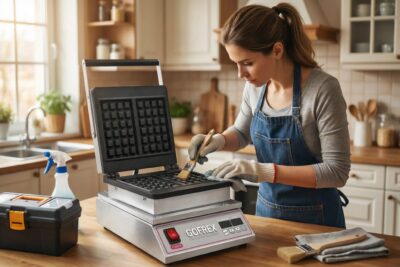
Frying pancakes is a skill that can be mastered with the right techniques and tools. Professional pancake makers make the process easier, ensuring even frying and excellent results.
Pancake frying techniques
The key element is the right temperature of the pan or pancake maker. The surface should be well heated before pouring in the batter. You can check readiness by sprinkling the surface with a few drops of water – if they evaporate immediately, it means the right temperature.
Spreading the batter requires practice. It’s best to pour a portion into the center of the pan and spread it quickly by tilting the pan in a circular motion. Professional pancake makers often use special spreaders to help achieve a thin and even layer.
The timing of flipping the pancake is important. You should wait until the edges rise slightly and brown. Then you can gently lift with a spatula and flip to the other side. The second side fries for a shorter time.
Tip: To avoid sticking, it’s a good idea to wipe the surface of the pan or pancake maker with a piece of potato impaled on a fork before each pancake. This is a tried-and-true method that is more effective than greasing with oil.
Professional pancake makers
Professional pancake makers make it easier to fry pancakes, especially in catering. They are distinguished by several important features:
- Even heat distribution – heating plates made of suitable materials ensure uniform frying.
- Precise temperature control – most models have thermostats for precise temperature setting.
- Large work surface – catering pancake makers often have plates with a diameter of 40 cm or larger, allowing you to prepare larger pancakes.
- Ease of cleaning – non-stick coated surfaces make it easy to keep the device clean.
- Efficiency – fast heating and the ability to fry several pancakes at the same time increase efficiency.

Operation of a professional pancake maker requires practice, but once the technique is mastered, it allows you to get excellent results. Before using it for the first time, it is a good idea to carefully read the instruction manual.
Gas and electric pancake makers
Each type of pancake maker has its own advantages. Gas models are often chosen in professional kitchens for their fast heating and lower operating costs. Electric pancake makers offer greater precision in temperature control and ease of use.
Both traditional pan-frying and the use of a pancake maker have their uses. The choice depends on the scale of production, available space and individual preference. Regardless of the method, the key to success is practice and patience in the pursuit of perfection.
Traditional and modern additions to pancakes
Pancakes are a versatile dish that can be served with a variety of toppings – both classic and modern. This versatility makes them never lose popularity, adapting to changing culinary trends.
Classic toppings that never go out of style
Traditional pancake toppings have a long history in Polish cuisine. Among the most popular are:
- Cottage cheese with sugar and vanilla – a combination with enduring popularity. The creamy texture of the cheese, combined with the sweetness of the sugar and the aroma of vanilla, creates a harmonious flavor composition.
- Jams and preserves – preferably homemade or high-quality store-bought. Flavors such as strawberry, raspberry or apricot go perfectly with pancakes.
- Fresh and frozen fruits – seasonal fruits such as strawberries, raspberries or blueberries add natural sweetness and freshness. Frozen fruits also work well in winter.
Tip: Changing the texture of additives can enhance the flavor. For example, instead of traditional jam, you can prepare a fruit mousse, which will give the pancakes a more refined character.
Modern trends in pancake toppings
In recent years, less obvious additives inspired by global culinary trends have become increasingly popular:
- Nut creams – variants made from hazelnuts, almonds or cashews, often enriched with cocoa or vanilla, add depth of flavor.
- Salted car amel – the combination of the sweetness of caramel with a subtle hint of sea salt creates an interesting flavor contrast that goes well with pancakes.
- Exotic fruits – mango, passionfruit or lychee bring freshness and a hint of exoticism, responding to the growing interest in fusion cuisine.
Modern side dishes draw inspiration from various cuisines of the world, introducing new flavors and textures. Examples include Japanese matcha paste or Italian mascarpone cream, which enhance traditional recipes.
Healthy alternatives and functional additives
Nutrition awareness is driving the growing popularity of healthier pancake toppings. Among them are:
- Greek yogurt with chia seeds or flaxseeds
- Protein-enriched peanut butter
- Homemade fruit mousses without sugar
- Vegan creams based on legumes
These alternatives not only increase the nutritional value of pancakes, but also meet the needs of people with different dietary preferences.
Combining tradition and modernity
The line between classic and modern additions is increasingly blurred. Modern cuisine is eager to combine tried-and-true flavors with innovative cooking techniques to create unique compositions.
For example, traditional cottage cheese can be served in the form of a light foam, and classic strawberry jam can be enriched with basil or pepper for a more interesting flavor profile.
Regardless of the additives chosen, the most important thing is the quality of the ingredients and the skillful combination of flavors. Experimenting with different combinations allows you to discover new facets of this simple but extremely versatile dish.
How to get fluffy and tender pancakes every time
Preparing light and fluffy pancakes requires not only the right ingredients, but also the use of proven techniques. The following methods will help you achieve the perfect result every time you fry them.
The secret is in the egg whites
Separating the yolks from the whites is one of the most effective ways to achieve exceptional lightness. Whipped egg whites introduce air into the batter, which makes the finished pancakes fluffier.
Whipping the egg whites takes a few minutes, but the result is worth the effort. A stiff foam should form, which does not fall when the bowl is inverted. When adding to the batter, proceed gently. It’s best to use a spatula and stir in a bottom-up motion to preserve the texture of the foam.
Tip: Keep the bowl and whisk perfectly clean and dry. Even a trace of grease can prevent the egg whites from being beaten properly.
Resting the dough
After mixing the ingredients, it is a good idea to let the dough rest for 15-30 minutes. This will allow the flour to swell and the mass to become more uniform.
Resting the dough also affects the consistency. The gluten has time to relax, which makes the pancakes softer and less rubbery. This is especially important if stirring has been intense.
Temperature control
Frying temperature is crucial. Too high will cause the pancakes to brown on the outside, but remain raw on the inside. Too low a temperature will make them pale and rubbery.
The best temperature is medium-low. The pan should be well heated before the first batch of batter. A good test is a drop of water – if it starts to sizzle, it means the right temperature.
Do not flip the pancakes too early. It is best to wait until bubbles appear on the surface and the edges are slightly dry. This is a signal that they can be flipped.
Additives to increase fluffiness
There are several ingredients that can affect the lightness of pancakes:
- Baking powder – aerates the batter and helps it rise slightly during frying.
- Bakingsoda – when combined with an acidic ingredient (such as buttermilk), it causes a chemical reaction that adds lightness to the batter.
- Carbonated water – the air bubbles in the drink make the pancakes softer and fluffier.
By experimenting with these ingredients, you can find the perfect proportions to suit your own taste preferences.
Using these techniques greatly increases the chances of getting tender and fluffy pancakes every time you fry them. With practice, you can refine your own method, making it easier and more intuitive to prepare perfect pancakes.
How to avoid common mistakes when making pancakes
Preparing perfect pancakes seems simple, but it is easy to make mistakes that affect their quality. The following tips will help you avoid the most common mistakes and enjoy a perfect result every time.
The right proportions and consistency of the batter
One of the key elements of successful pancakes is the right consistency. A batter that is too thick will make your pancakes thick and rubbery. If it is too runny, it can cause difficulty spreading in the pan and lead to them falling apart.
The ideal batter should have the consistency of cream – liquid, but not watery. It is best to start with less liquid and then gradually add more, stirring until the right density is achieved. Different types of flour may require a different amount of liquid, so the proportions should be adjusted.
Tip: If the dough came out too thick, you can add a little sparkling water. It will thin the mixture and make the pancakes lighter and fluffier.
Resting the batter and the temperature of the ingredients
Skipping the cake resting step is a common mistake. After mixing the ingredients, it is a good idea to let the batter rest for 15-30 minutes. The flour will swell and the ingredients will combine better, making the pancakes smoother and more elastic.
The temperature of the ingredients also matters. It is best to use room temperature products, especially eggs and milk. Cold ingredients can cause lumps and make it difficult to mix them evenly.
Frying technique and pan temperature
The right frying temperature affects the final result. Too high will result in pancakes that are toasted on the outside, but raw on the inside. Too low a temperature can lead to pale and rubbery pancakes.
The pan should be well heated, but not overheated. A good test is to sprinkle it with a few drops of water – if they start “dancing” on the surface, it means the right temperature.
It is also important to use the right amount of fat. Too much will make the pancakes greasy, too little can cause them to stick. It is best to apply a thin layer of fat with a brush or paper towel.
Do not flip the pancakes too early. It is best to wait until bubbles appear on the surface and the edges begin to dry slightly. This is a sign that it’s time to flip the pancake to the other side.
Following these rules greatly increases the chances of making perfect pancakes. With practice, you can perfect your technique, which in time will make each batch taste delicious.
How to store and reheat pancakes to keep them fresh
Proper storage and reheating of pancakes allows you to enjoy their taste even a few days after preparation. Proven methods will help maintain their freshness, texture and flavor.
Storing pancakes in the refrigerator
The best way to preserve freshness is to store in the refrigerator. Allow them to cool completely before refrigerating. Warm pancakes can cause moisture to condense, leading to softening.
Once cooled, it’s a good idea to stack them in layers, layering them with baking paper or cling film to prevent them from sticking together. Then place the pancakes in an airtight container or wrap them in cling film. This will prevent them from drying out and taking on odors from the refrigerator. Stored this way, they can stay fresh for up to 2-3 days.
Tip: If longer storage is planned, pancakes can be frozen, which will maintain their quality for longer.
Freezing pancakes
Freezing is an excellent solution when pancakes are to be stored for a long time. They should cool completely before freezing. They should be stacked in layers, layered with baking paper to avoid sticking.
Pancakes can be stored in a freezing bag, removing excess air before sealing, or in an airtight container. Under the correct conditions, they will remain fresh for up to 2 months.
To thaw them, it is best to transfer them to the refrigerator for a few hours or leave them at room temperature for 1-2 hours. Avoid thawing in the microwave, as this can cause uneven heating and a change in consistency.
Reheating pancakes
There are several effective methods to preserve flavor and texture while reheating.
- In a frying pan – the pan should be heated over medium heat and lightly buttered. The pancake should be heated for about 30 seconds on each side. This method restores a delicate crispness.
- In the oven – the oven should be preheated to 180°C. The pancakes should be placed on a baking tray lined with baking paper and heated for 5-10 minutes. This is a good solution when you need to reheat a larger portion.
- In the microwave – pancakes should be placed on a microwave-safe plate and heated for 15-30 seconds on medium power. This is the fastest method, although it may make the pancakes softer.
Tip: To prevent the pancakes from drying out in the microwave, it’s a good idea to cover them with a dampened paper towel before heating.
Avoid heating for too long, as this can make the pancakes dry and hard. Experimenting with different methods will help you find the best way to suit your personal preferences.
Summary
The art of preparing perfect pancakes combines knowledge, technique and creativity. The proportions of ingredients, the way the batter is mixed and the skill of frying are crucial. The resting of the batter, which affects its texture and elasticity, is also important.
Experimenting with different additives, both traditional and modern, allows you to discover new flavors. Techniques such as whisking egg whites or adding sparkling water help achieve light and fluffy pancakes.
Avoiding common mistakes, such as frying at too high a temperature or flipping pancakes prematurely, significantly affects the final result. Knowing the right storage and reheating methods, on the other hand, allows you to enjoy their flavor longer.
Mastering these elements improves the quality of the pancakes you prepare and opens up new culinary possibilities, turning a simple dish into a real feast.